Summer Water Damage Restoration Checklist for Denver Homeowners
Published: 2026-04-18 · By PinnacleOne Water Damage Restoration
As summer approaches, Denver homeowners often prepare for sunny days and outdoor activities. However, with the rapid temperature swings typical of Colorado, a seemingly perfect day can quickly turn into a homeowner's worst nightmare: water damage. Imagine returning from a weekend camping trip only to find a swollen carpet and damp walls, remnants of a hail storm that struck while you were away. Understanding how to manage and prevent water damage is crucial not just for preserving your property, but also for maintaining its value in a competitive market.
Why This Matters for Denver Homeowners
Water damage can escalate quickly, particularly in Denver where rapid weather changes can lead to unexpected flooding and leaks. The spring thaw, coupled with late-season snowstorms, can saturate soils and overwhelm drainage systems. Properties built on expansive clay soil often face challenges as this shifting ground can crack foundations and disrupt drainage, leading to leaks and extensive water pooling.
In the summer, hail storms can puncture roofs and create openings for rainwater to infiltrate homes, worsening wood rot and mold growth if not addressed swiftly. It’s important to remember that Denver's unique building codes require that homeowners proactively manage their properties to align with local conditions.
Important Tip: Act promptly to mitigate the effects of water damage, as delays can increase repair costs significantly.
Addressing these issues requires knowledge and preparation; failing to respond can lead to expensive repairs that exceed anyone’s budget. To help, we’ve compiled a vital checklist specifically tailored for Denver homeowners, ensuring you are ready to tackle the challenges that summer feeds our way.
Expert Solutions & Actionable Tips
1. Inspect Gutters and Downspouts
Routine maintenance of gutters and downspouts is essential, especially after storms. Ensure that your gutters are clear of debris, which can block water flow and cause overflow. This task can cost around $100 to $300 for cleaning and repairs and should be performed at least twice during the active summer season.
Don’t forget to check downspouts to confirm that they adequately direct water away from your foundation. Consider investing in extensions if necessary, as this can reduce the risk of water pooling around the foundation, which is crucial for homes in Denver’s clay soil.
2. Assess Your Roof’s Condition
With summer comes the potential for hail storms, and inspecting your roof for damage is non-negotiable. Look for missing or damaged shingles, as these can lead to leaks in heavy rain. A professional roofing inspection will typically range from $200 to $500.
In the event of storm damage, it is wise to file a claim with your insurance as soon as possible. Early action can expedite repairs and reduce long-term damage potential.
3. Check for Plumbing Leaks
Indoor plumbing leaks can often go unnoticed until significant damage occurs. Take time to inspect under sinks and around appliances for signs of moisture or water stains. Regularly check your water meter for unusual fluctuations that may indicate hidden leaks.
If you detect a problem, addressing a simple fixture leak can cost between $150 to $400. However, more complex plumbing issues can escalate quickly, adding up to thousands, highlighting the need for vigilance.
4. Test Your Sump Pump
Groundwater management is critical for homeowners in Denver. Test your sump pump by pouring water into the pit. If it doesn’t activate, it may need servicing. Expect to pay about $100 to $200 for routine maintenance or repairs.
Regular tests can save you a headache during unexpected storms. If repair is excessive, consider a new sump pump installation ranging from $800 to $2,000, ensuring the protection against future inundation.
5. Maintain Landscaping and Grading
Proper landscaping can play a pivotal role in directing water away from your home. Ensure that your yard slopes downward away from the foundation, which might require occasional updates to landscaping at an average cost of $500 to $1,500 depending on the scale of the work.
Planting certain drought-resistant vegetation can also help manage soil stability, thus minimizing erosion and protecting your home.
6. Protect Against Mold Growth
Humidity levels can rise in the summer, creating an environment ripe for mold. Be proactive by using dehumidifiers in damp areas, especially if your home has experienced leaks before.
Budgeting around $30 to $150 for a decent home dehumidifier can help immensely. If mold is detected, remediation costs can start at $500 and may soar depending on the infestation scale, so early intervention is key.
Denver Climate & Local Context
Denver's climate presents unique challenges for homeowners, particularly during the quick transitions between seasons. Summer storms can unleash heavy rain, and solid winter snowmelt adds another layer of complexity. Properties in the city are often built on expansive clay soils, which can shift dramatically with moisture changes and lead to foundation issues if drainage is not properly managed.
Moreover, local building codes emphasize effective drainage systems to mitigate water damage risks. It’s crucial for property owners to remain vigilant and informed about their responsibility under these regulations while planning for ongoing maintenance and preparation needs.
When to Call a Professional
While some water damage issues can be managed as DIY projects, there are instances where calling in professionals is essential. For minor leaks or cosmetic fixes, engaging your skills might suffice; however, recognizing the right moments to seek expert insight is crucial for long-term prevention.
- Visible mold growth exceeding 10 square feet
- Water pooling around the foundation
- Persistent dampness despite repair attempts
- Leaks associated with major appliances or HVAC systems
- Water stains on ceilings or walls indicating potential roofing issues
If you encounter any of these red flags, it is advisable to contact professionals for immediate inspection and a comprehensive restoration plan. PinnacleOne Water Damage Restoration in Denver specializes in addressing these critical scenarios efficiently and effectively.
Frequently Asked Questions
What are common causes of water damage in Denver homes?
In Denver, common causes include rapid snowmelt, hail storms leading to roof leaks, and plumbing failures. Each can create significant challenges if not promptly addressed.
How can I identify early signs of water damage?
Look for water stains, sagging ceilings, and a musty smell. These signs are crucial in ensuring that potential damage is managed before it escalates.
Is my homeowner’s insurance likely to cover water damage?
Coverage varies, but many policies cover sudden and accidental water damage. Always review your policy and consult with your agent if unsure.
How long does the restoration process usually take?
Restoration timelines depend on severity, but minor issues can be addressed in a few days, while significant damage might require several weeks.
What type of equipment do professionals use for restoration?
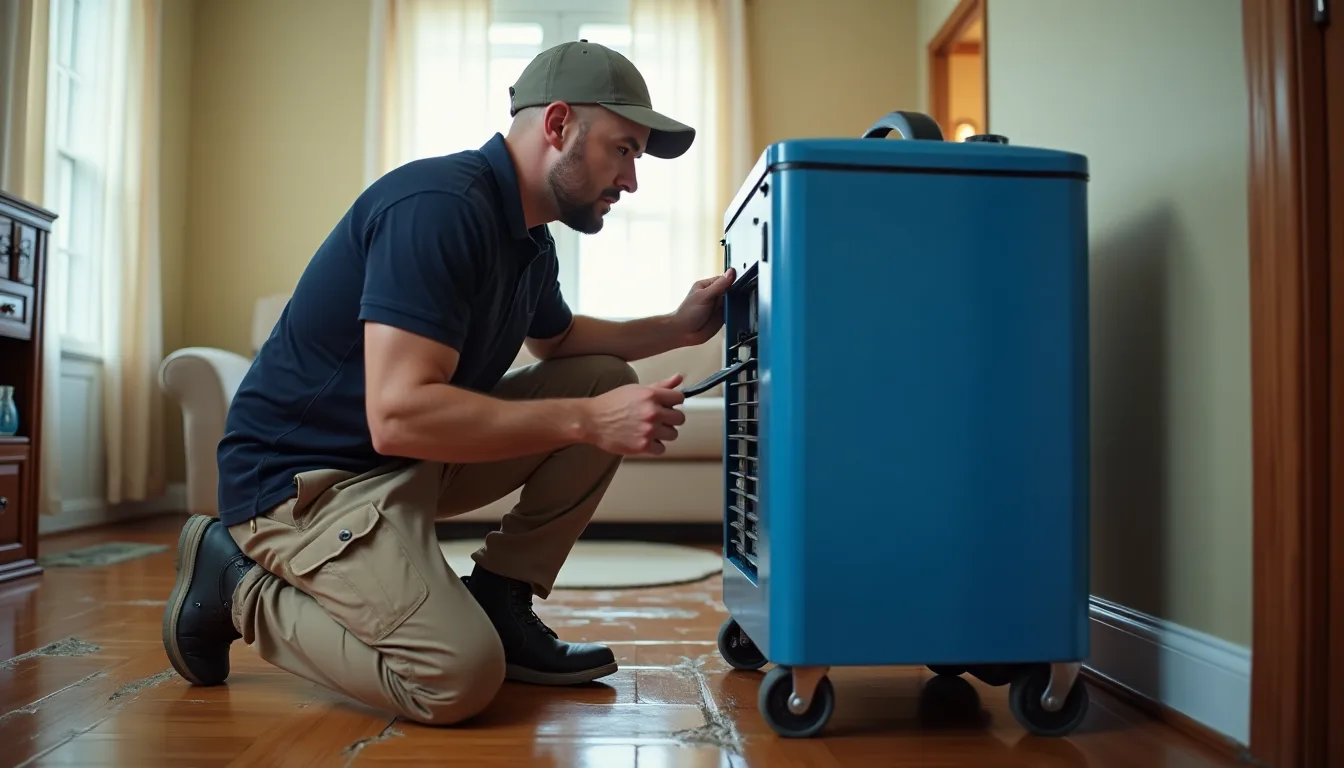
Professionals typically use industrial-grade dehumidifiers, air movers, and moisture meters to restore homes effectively and efficiently after water damage.
Get Expert Water Damage Restoration Service in Denver
If you’re concerned about potential water damage this summer, taking preventive measures now can save you time and money later. Don’t hesitate to reach out to the experts at PinnacleOne Water Damage Restoration for assistance. We have the experience and knowledge to guide you through any situation. Contact us today at (720) 745-6389 for peace of mind in your Denver home.
Your property deserves protection against the unpredictable elements, and our team is ready to help you safeguard your investment.
More Articles
Common Water Damage Restoration Myths Debunked by Denver Experts
2026-04-18
Water Damage RestorationInsurance Claims for Water Damage Restoration: A Step-by-Step Guide
2026-04-18
Water Damage RestorationHow Denver Weather Affects Your Home: Water Damage Restoration Prevention Tips
2026-04-18