Mold After Water Damage Restoration: Prevention and Treatment Guide
Published: 2026-04-18 · By PinnacleOne Water Damage Restoration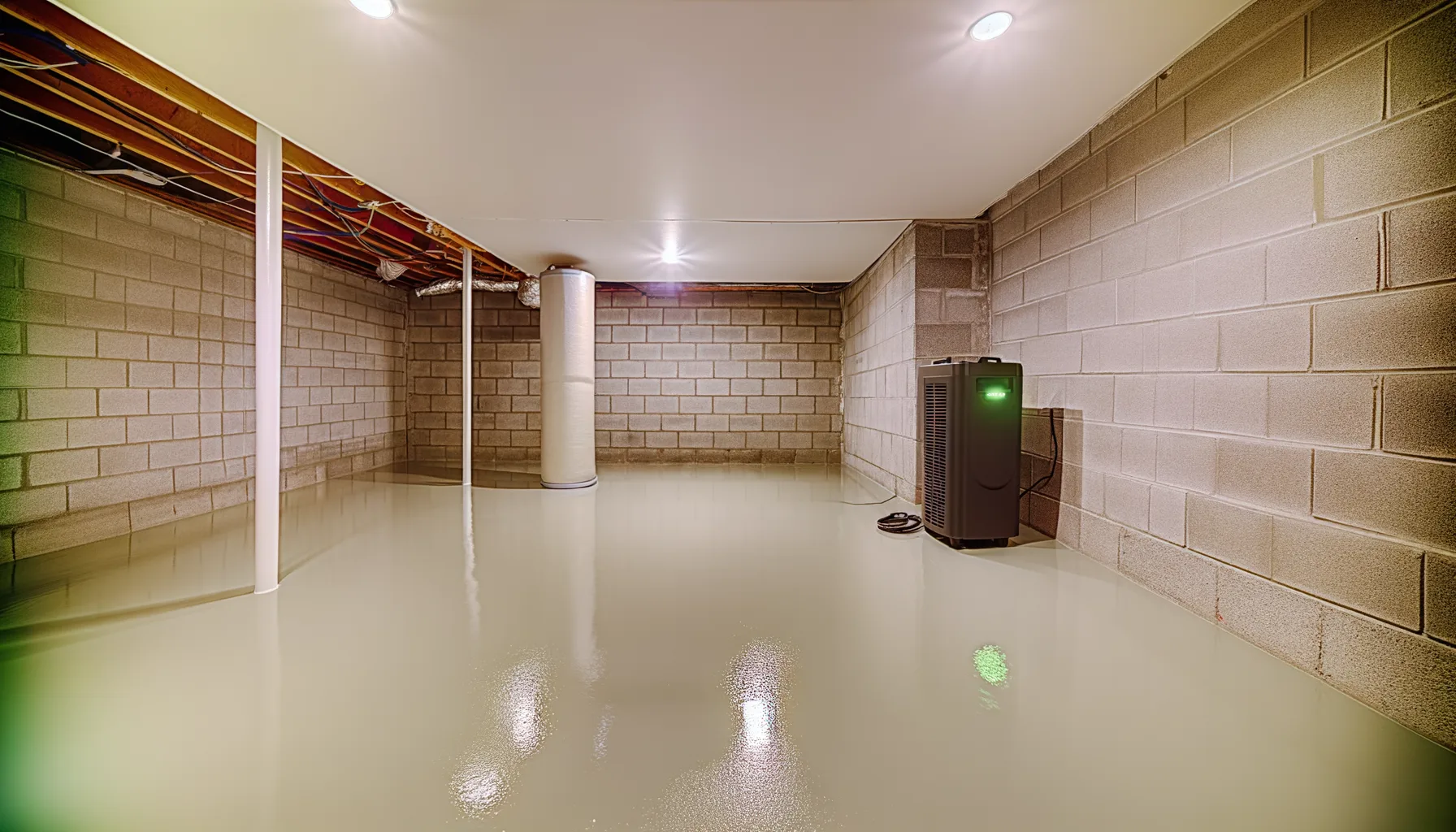
Imagine waking up in your Denver home to a mysteriously damp carpet and the unmistakable musty odor of mold. This scenario is all too common, especially for residents facing rapid temperature swings, hail storms, and heavy snowmelt that can sneak past inadequate drainage systems. Before you know it, the aftermath of water damage can lead to the hidden threat of mold growth, an unwanted guest that thrives in moisture-laden environments. If you've recently experienced water damage, understanding how to prevent and treat mold is crucial to protecting your home and health.
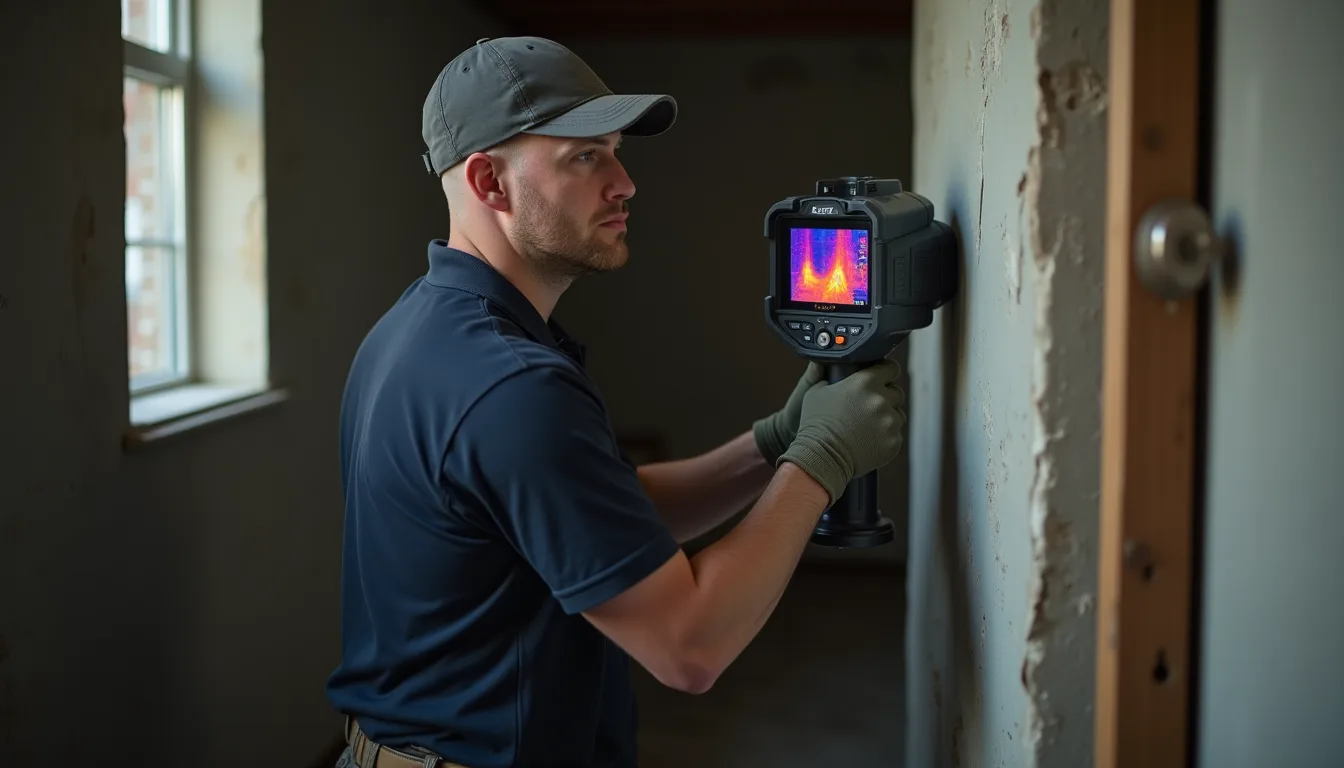
Why This Matters for Denver Homeowners
Water damage can seriously affect the structural integrity and air quality of your Denver home. The unique climate here, with its freeze-thaw cycles, can exacerbate the situation, resulting in long-term damage if not promptly addressed. Mold varieties proliferate in damp areas, potentially causing health issues like allergies and respiratory problems, particularly in families with young children or elderly members. Understanding the risks tied to mold can save you from costly repairs and health repercussions in the long run. That's especially important in a city with many homes built on expansive clay soils, where drainage solutions may not be adequate.
Moreover, these Clay soils can shift dramatically with moisture variation, causing cracks and crevices that become ideal hiding spots for mold spores. Poorly managed water damage, especially stemming from heavy snowmelt and rapid temperature shifts, can compromise even the sturdiest structures.
Tip: Always act quickly after discovering water intrusion. Mold can begin to grow within 24 to 48 hours of sustained moisture exposure, especially in the spring months when weather patterns fluctuate dramatically.
Expert Solutions & Actionable Tips
1. Act Fast After Water Damage
Timeliness is everything when it comes to water damage restoration. If your home experiences water intrusion, addressing the issue within the first 48 hours can significantly limit mold growth. Local experts recommend hiring a professional immediately, and services like PinnacleOne Water Damage Restoration in Denver offer emergency response options. Typical costs for initial water removal can range from $1,000 to $3,000, depending on the severity of the damage.
Spring thaw can create unexpected challenges, especially if melting snow leads to flooding. Monitor any water pooling around your property to prevent future mold issues. For example, if your basement receives water infiltration from heavy rain, it’s crucial to implement mitigation strategies promptly to safeguard against mold.
2. Properly Ventilate Your Home
Ventilation is a key factor in controlling moisture and preventing mold growth. In Denver, especially during summer months, ensure bathroom and kitchen vents are operational and directed outside rather than into attics or crawl spaces. This home improvement typically costs around $300 to $800, which can be a worthwhile investment in preventing excess humidity.
Consider adding exhaust fans in areas prone to moisture. Selecting a device with a timer function ensures they run long enough to eliminate humidity post-shower or cooking, crucial in a high-altitude city where dry air can lead to inconsistent humidity levels.
3. Regularly Inspect for Hidden Moisture
Conducting routine inspections can save you from significant mold issues later on. Look for signs of water intrusion in your home, particularly near windows, doors, and plumbing fixtures. A monthly check can cost nothing but could save you tens of thousands in repairs should mold growth go unchecked.
Your Denver home’s foundation is particularly susceptible given the expansive clay soil. Cracked walls due to cyclical freeze-thaw patterns could permit moisture entry. Keeping these areas clean and dry will help avoid mold issues down the line.
4. Utilize Mold-Resistant Products
Using mold-resistant products during home renovations can greatly reduce your mold risk. These include paints, drywall, and insulation materials designed to be resistant to mold growth. While the upfront cost of mold-resistant materials can be about 10-20% more than standard options, this investment can provide peace of mind and lead to long-term savings by minimizing future issues.
In Denver, where diverse climates can promote unseen mold risks, incorporating these products in bathrooms, basements, and kitchens can pay off significantly, ensuring your home remains a healthy sanctuary.
5. Manage Drainage Effectively
Given the clay soils prevalent in Denver, effective water drainage solutions are essential. Investing in proper grading around your home—where the land slopes away to direct water away from the foundation—can prevent water congestion. This investment can typically range from $1,000 to $5,000, depending on your home’s layout.
Moreover, installing gutters and downspouts to direct rainwater away from your property is crucial. Regular cleaning of these systems will ensure they function efficiently, particularly during heavy spring rains. The cost of maintenance is minimal compared to the potential damage caused by water pooling around your home’s foundation.
6. Humidity Control with Dehumidifiers
In areas prone to high humidity, such as basements, using a dehumidifier can significantly reduce moisture buildup. In Denver, where temperatures fluctuate, maintaining appropriate humidity levels (ideally between 30-50%) can help prevent mold growth. An effective dehumidifier can range from $200 to $500, providing protection against mold at a fraction of the cost of extensive mold remediation.
Ensure to place your unit in areas most vulnerable to dampness like basements and laundry rooms. Regular maintenance of your device ensures optimum efficiency, essential in a city with rapidly changing weather conditions.
Denver Climate & Local Context
Denver’s unique climate poses distinct challenges for homeowners, particularly regarding water damage and ensuing mold growth. Rapid temperature fluctuations, heavy snowfall, and the subsequent melting can create ideal conditions for water accumulation. Furthermore, homes built on expansive clay soils require specialized drainage systems to prevent moisture issues, necessitating thorough planning and regular maintenance.
Due to these environmental factors, understanding local building codes and permits is essential before undertaking any water damage restoration projects. In Denver, residents are often required to obtain specific permits for structural repairs, and it’s wise to involve licensed professionals who can guide you through the process efficiently, ensuring all restoration work complies with local regulations.
When to Call a Professional
While some minor water damage issues can be tackled as DIY projects, knowing when to call a professional is vital to effective restoration. Homeowners should generally handle small areas of visible mold or moisture themselves but should consider reaching out to experts for significant or widespread issues. Choosing a certified restoration service ensures that the problem is comprehensively addressed.
- If the water damage spans larger than 10 square feet.
- Your basement retains water for more than 24 hours.
- You notice mold growing on walls or ceilings.
- There’s an overpowering musty smell in the home.
- Visible water stains on building materials persist.
- Health issues arise, like respiratory difficulties.
In Denver, relying on a trusted partner such as PinnacleOne Water Damage Restoration ensures expert handling of your situation, safeguarding both your property and your health.
Frequently Asked Questions
How quickly can PinnacleOne Water Damage Restoration respond to an emergency?
PinnacleOne offers 24/7 emergency services, ensuring we can respond to urgent water damage situations within an hour throughout the Denver area.
What are typical costs associated with water damage restoration in Denver?
Costs can vary, but homeowners might expect to pay between $1,500 and $9,000 based on the severity of the damage and required restoration methods.
Are there specific mold concerns for Denver homeowners?
Yes, the clay soil and rapid temperature changes in Denver can contribute to unique moisture issues, making mold growth particularly concerning for local residents.
Do I need to file an insurance claim for water damage?
It's advisable to notify your insurance provider within 48 hours of the incident. Some policies cover mold remediation if caused by covered events, such as plumbing failures.
How can I prevent mold after restoration?
Regular maintenance, proper ventilation, and humidity control are all vital practices to prevent mold growth following restoration efforts.
Get Expert Water Damage Restoration Service in Denver
If your home has recently been affected by water damage, don't wait for mold to settle in—act now! Contact the experts at PinnacleOne Water Damage Restoration at (720) 745-6389. We're dedicated to serving the Denver community and ensuring your home remains safe and mold-free.
Our skilled professionals understand the unique challenges Denver homeowners face and are here to assist with every step of the restoration process. Call us today!