What to Expect During a Professional Water Damage Restoration Assessment
Published: 2026-04-18 · By PinnacleOne Water Damage Restoration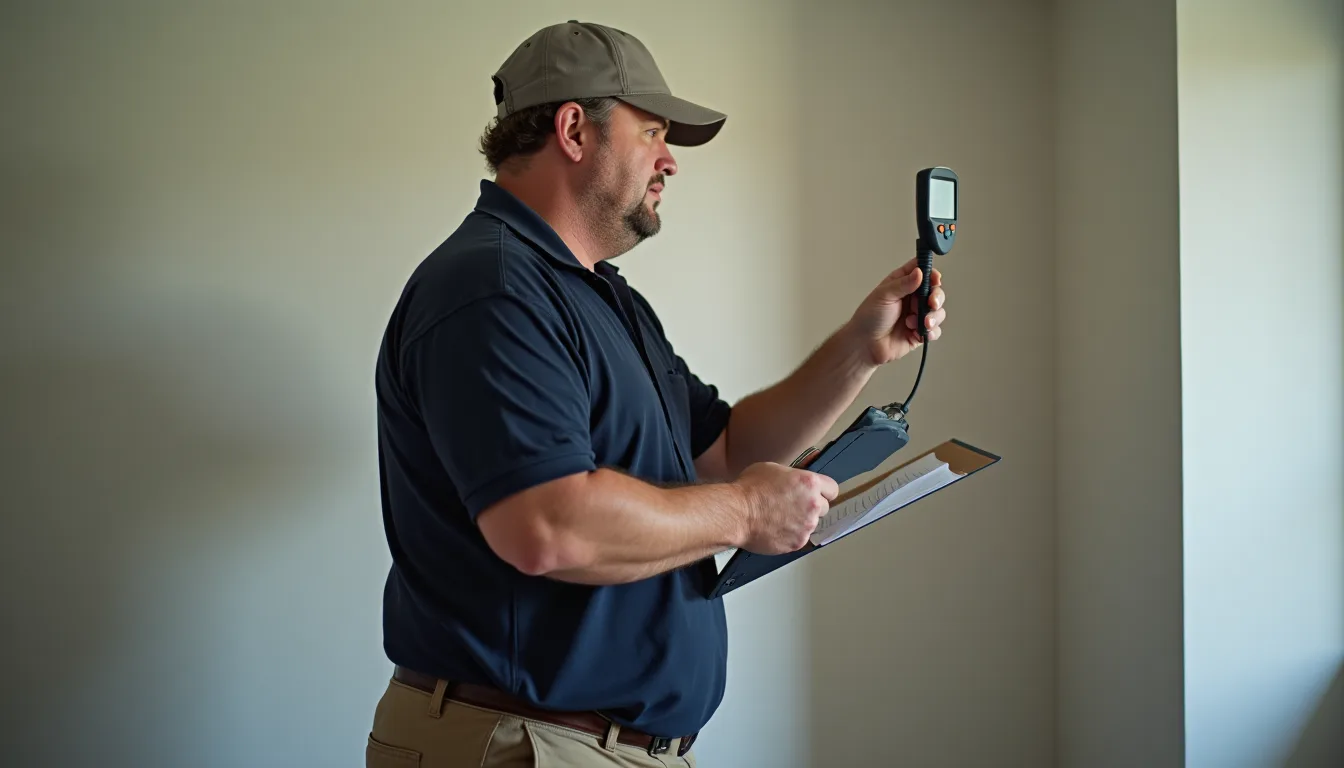
Denver’s unpredictable climate can turn a winter wonderland into a waterlogged nightmare. Imagine you wake up to find an unexpected thaw transforms your basement into an indoor swimming pool. Hail storms and heavy snowmelt, especially from the expansive clay soils prevalent in the area, can lead to significant water damage in homes. As temperatures swing, these structures often face severe stress, leaving homeowners scrambling for solutions. This is where understanding what to expect during a professional water damage restoration assessment becomes invaluable.
Why This Matters for Denver Homeowners
Water damage is a common yet often underestimated threat faced by Denver homeowners. With rapid temperature fluctuations, the risk of flooding from snowmelt and rain can disrupt any household. Homes constructed on clay soils may harbor drainage issues, leading to additional complications in managing water buildup. The freeze-thaw cycles typical in spring can amplify these risks. For instance, a modest rainstorm can produce significant water accumulation, exposing your foundation to moisture that could lead to structural damages over time.
Understanding this problem not only allows for timely interventions but also highlights the necessity of professional assessments. Trying to mitigate water damage without expertise can result in overlooked signs of trouble, ineffective solutions, and even higher costs later on. These factors underline the importance of enlisting the help of experienced professionals who understand Denver’s unique building characteristics and climate patterns.
Tip: Don’t wait too long to address visible signs of water damage, such as stains or mold growth. Doing so can exacerbate the issue and lead to more costly repairs.
Expert Solutions & Actionable Tips
1. Understand the Assessment Process
During an initial assessment, a qualified technician will evaluate the extent of water damage through detailed inspections. Expect them to utilize moisture meters and thermal imaging technology, which can typically cost between $150 to $300 depending on the scope. This process takes approximately 1-2 hours, but it’s crucial for developing a tailored restoration strategy.
In Denver, unique factors like building age and moisture levels in clay soils can influence this assessment. Therefore, having professionals familiar with these conditions ensures that all potential issues are addressed.
2. Know the Financial Implications
Water damage restoration can vary widely in cost, with evaluations averaging between $400 to $800 in Denver. If repairs are needed, the price could increase to $2,000 or more, based on the severity. Being proactive can often save homeowners from substantial repair bills down the line.
While insurance policies might cover some restoration efforts, it’s vital to confirm coverage details. This can help avoid unexpected out-of-pocket expenses, which can often catch homeowners by surprise.
3. Plan for Disruption
Water damage restoration is a process that can disrupt your daily routine. The initial assessment may lead to delays in home occupation based on the required repairs. Homeowners should anticipate a timeline of approximately 3 to 7 days for mitigation and repair, but this can vary.
During this time, you may need to adjust schedules or make temporary living arrangements. Being prepared can help ease the transition and minimize stress as the professionals work to restore your home.
4. Be Aware of Mold Risks
Once water accumulates, mold can quickly become a significant concern, especially in the damp spring months. Denver’s moisture-laden environment during thaw can facilitate rapid mold growth within 24 to 48 hours.
Therefore, it's crucial to have professionals on-site who can implement containment strategies during the restoration process. Most restorations include moisture control measures, which can cost an additional $1,000 to $3,000 depending on the mold’s extent.
5. Document Everything
Maintain a thorough record of all assessments, communications, and repairs made during the water damage restoration. Documentation can be especially helpful for insurance claims, which can save a considerable amount of time and money.
Ensure to capture details regarding timelines, costs, and scope of work performed. Keeping these organized can facilitate a smoother process should discrepancies arise with your insurance provider.
6. Explore Equipment Used
Professional companies like PinnacleOne utilize advanced drying equipment and air quality monitoring tools which can help restore your home efficiently. Understanding the technology behind the drying techniques can help homeowners appreciate the quality of work.
Sometimes, these services involve specialized tools costing between $500 and $2,000. Knowing this can help you make informed decisions about hiring qualified professionals versus renovating on your own.
Denver Climate & Local Context
Denver's climate is notorious for its rapid weather changes, creating an environment where water damage can be an ever-present threat. Its diverse weather patterns, particularly during spring thaw, present unique challenges for homeowners as heavy snowmelt can cause ground saturation and lead to foundation vulnerabilities.
The city's building stock, primarily composed of homes built on expansive clay soils, often encounters drainage issues. Local building codes often mandate specific mitigation measures, such as sump pumps or enhanced drainage solutions, which are crucial during heavy rainfall or intense snowmelt periods. Familiarity with these codes can ensure that restoration efforts meet all local compliance requirements.
When to Call a Professional
While tackling minor water issues such as a small leak or stain might seem straightforward, knowing when to call a professional is critical to preventing more extensive damage down the road. Before proceeding with a DIY fix, evaluate the extent of the situation.
- Visible water pooling or flooding
- An unexplained increase in moisture levels
- Signs of mold growth
- Structural damage, such as warped walls or buckling floors
- A lingering musty odor
- Water stains on ceilings or walls
- Pipes that have burst or extensive leaks
These scenarios typically warrant professional assistance, especially when considering the potential for inflated repair costs later on. Understanding the indicators can empower homeowners to protect their properties effectively.
Frequently Asked Questions
What is the first step after detecting water damage in my Denver home?
Immediately contact a professional like PinnacleOne Water Damage Restoration for an assessment to determine the extent of the damage and initiate necessary steps.
How long does water damage restoration typically take?
In Denver, expect the complete restoration process to last between 3 to 7 days, depending on the severity and area affected.
Will my insurance cover water damage restoration?
Insurance coverage varies greatly, so it’s essential to review your specific policy and consult with your insurance agent to determine what is included.
Can I assess the damage myself before calling a professional?
While you can look for obvious signs, it's vital to enlist a professional for a thorough assessment due to potential hidden issues.
What factors influence the cost of restoration?
Costs can vary based on the extent of damage, required equipment, and any necessary structural repairs, commonly ranging from $400 to $3,000.
Get Expert Water Damage Restoration Service in Denver
If you’re facing water damage, don’t hesitate. Reach out to the experienced team at PinnacleOne Water Damage Restoration. Your Denver home deserves attentive care to restore it back to its original state, and our experts are ready to help!
Call us today at (720) 745-6389 to schedule your professional assessment and ensure your home remains safe and dry.